
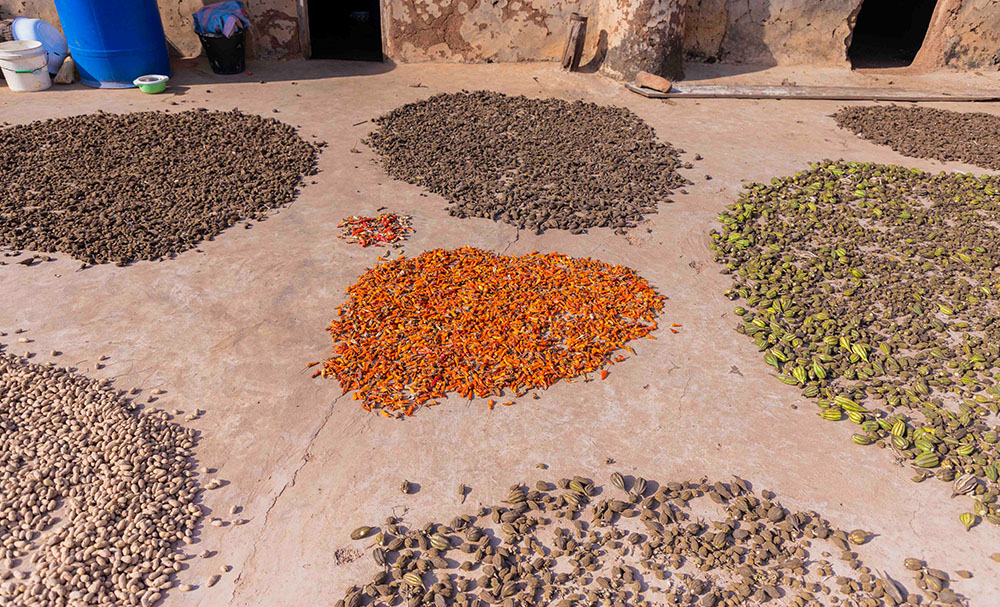
Households surveyed in the Saboba District produce food that lasts an average of 7.6 months a year, leaving a gap of about four months, a study led by the Kwame Nkrumah University of Science and Technology, Kumasi (KNUST) has found.

The research, led by Dr Abena Boakye of the Department of Food Science and Technology, examined how locally available crops and traditional food practices could help address seasonal food insecurity and undernutrition amid climate change.
It explored the district’s “foodscape”, a concept encompassing food availability and accessibility, the places where food is obtained and consumed, and the historical, cultural, religious and climatic influences that shape food choices and practices.
The study, titled Investigating Foodscapes, Indigenous Crops’ Composition and Recipe Standardisation of Traditional Foods for Sustainable Nutrition in Deprived Communities, examined the values and meanings underpinning what households grow and eat, the nutritional composition of selected indigenous crops and ways to improve and standardise traditional recipes.
Using a combination of quantitative and qualitative methods, the researchers documented more than 50 indigenous food crops and over 20 traditional soups and sauces across six communities.
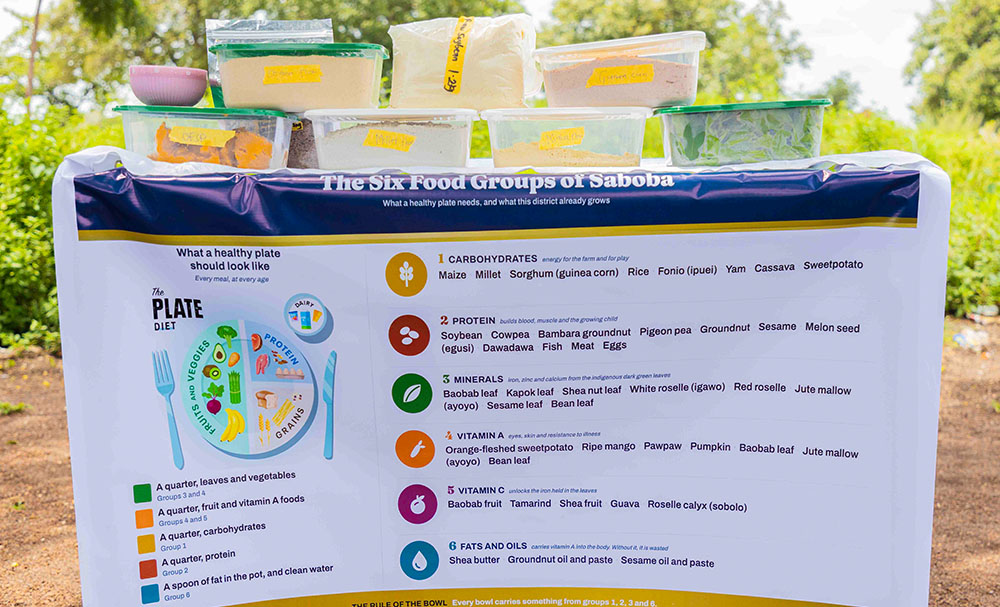
Despite this diversity, more than 13% of surveyed households reported being unable to meet their daily food needs for at least eight days during the month of the survey.
Although 83.8% of households reported eating three meals a day, none of the respondents could name a nutrient provided by the foods they consumed. The researchers identified this as a gap in nutrition knowledge that could limit households’ ability to make better use of available foods.
The findings highlight the need for interventions tailored to the district’s seasonal food shortages and nutritional needs. The researchers noted that few interventions had been investigated to help residents meet their food and nutrition needs during the lean season.
The study comes against a backdrop of high levels of undernutrition in the Northern Region. According to the 2022 Ghana Demographic and Health Survey, 29.6% of children under five in the region are stunted, compared with 17.4% nationally. Some 19.5% are underweight, against a national figure of 12%.
Anaemia affects 69.4% of children aged six to 59 months in the region, the highest proportion among Ghana’s 16 regions, compared with 48.9% nationally.
As an initial response, the team examined how indigenous foods and existing cooking practices could support better nutrition while retaining familiar meals.
The researchers standardised recipes for five traditional soups widely prepared in Saboba and other parts of northern Ghana: Jejep, a sesame soup; Kijok, made with kpaka, the landrace sesame seed, and dry okra; Igawok, a Roselle white flower (Calyx); Litokal, a baobab leaves soup; and Tigbokar, a kapok leaves soup.
The process established consistent ingredient quantities, preparation methods and portion sizes, documenting knowledge previously passed on largely through practice. The recipes could then be taught and reproduced to support improved nutrition.
The team also developed three improved porridges and fritters using locally available and culturally acceptable ingredients. According to the researchers, the products provide energy, protein, minerals and vitamin A in a single meal.
The recipes incorporate household measures, allowing families to prepare them without weighing equipment.
The findings suggest that indigenous food resources could contribute to better nutrition when scientific evidence is combined with local knowledge and everyday cooking practices.
The project was funded through an Early Career Fellowship from the Organization for Women in Science for the Developing World (OWSD) and hosted by KNUST’s Department of Food Science and Technology in the College of Science. It involved research collaborators from the YESI International Fellowship, the University of York and Northumbria University.
The researchers acknowledged support from the Department of Agriculture in Saboba, the Paramount Chief of Saboba, traditional authorities in the study communities, and local guides and translators. They credited residents of the district, particularly those in Nanpkerk, Bintindo and Zagbeli, for sharing their indigenous food knowledge.


